News
Createx 2026 is committed to sustainability as its central focus
Bogotá, May 2026. Createx will serve as the platform where key industry players will present their sustainability initiatives and share the actions they are taking to promote environmental stewardship. The event will take place from May 12 to 14 at Corferias.
Sustainability encompasses multiple dimensions. In Colombia, this paradigm shift has a human face. For Guillermo Criado, president of the Colombian Chamber of Apparel, sustainability in the country is not just an environmental metric, but also a driver of equity:
"Sustainability is about employment and the well-being of Colombian households. A garment made in Southeast Asia generates 98 times more CO2 emissions than one made in Colombia. We are the largest employer of women, who make up 75% of our workforce, and that is sustainability too: providing real opportunities to single mothers through clean production."
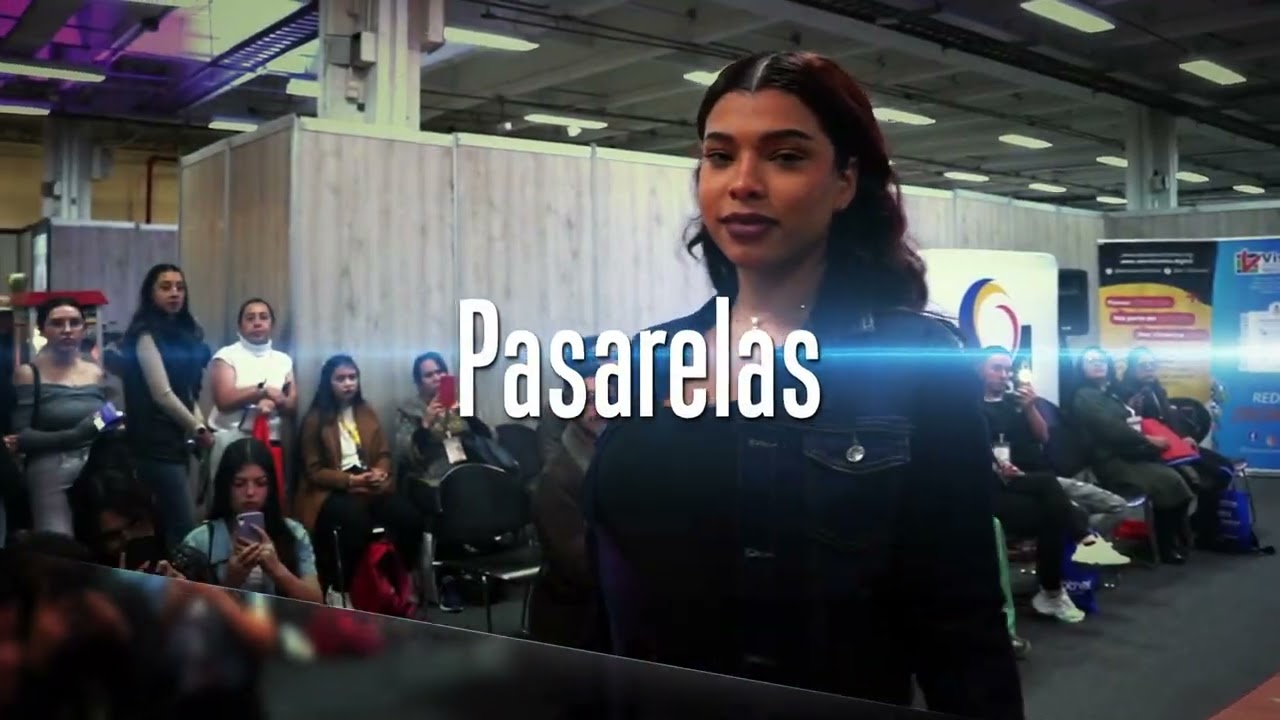
This comprehensive vision, where productive efficiency meets social justice, is what will come to life at Createx 2026. Under the theme “Between Fabrics and Knowledge,” the fair will dedicate an exclusive space to sustainability and the circular economy, demonstrating on its runways that national design can care for the planet while dignifying those who bring each garment to life.
A leading figure in this transformation is Mónica Fonnegra, a Colombian designer and pioneer in sustainable fashion, who has been working for over 18 years to repurpose textiles, giving a second life to surplus garments that she transforms into bags and one-of-a-kind pieces. Through her model, she connects companies, communities, and production processes, diverting nearly 3 tons of textile waste that would otherwise end up in the Doña Juana landfill.
“There is nothing more sustainable than what has already been made. Today we are discarding tons of material that still has value within the production chain,” the designer emphasizes.
Like Mónica’s, many other projects will be part of this innovation ecosystem focused on minimizing the industry’s environmental impact. These initiatives can be found in Pavilion 5, dedicated to the circular economy—a space that brings together solutions and proposals to drive more sustainable development in the textile and apparel sector.
“We understand how the industry is evolving, and that is precisely why our commitment with the circular fashion pavilion is to respond to these new needs, connecting industry players with sustainable and relevant solutions,” says Adriana Granados, project manager at Createx.
Sustainability: A Global Challenge
The textile industry is currently one of the planet’s greatest environmental challenges. According to the UN, it accounts for 10% of carbon emissions and 20% of global wastewater. The environmental cost of a single T-shirt, for example, requires 2,700 liters of water and contributes to a volume of solid waste reaching 92 million tons annually.
However, this trail of waste also presents an opportunity: of the 120 million tons of clothing discarded each year, less than 1% is recycled into new textile fibers. According to the Boston Consulting Group, an efficient circular economy could increase this rate to over 30%, transforming waste into a market for recycled raw materials worth more than $50 billion.